
You'll know what's happening
We stay in constant communication with our customers until the job is done. No wondering whether anyone is coming back.
How it goes
The same sequence on every job, whether it's one wet cupboard or a whole floor. You'll always know which step we're on and what happens next.

Tell us what happened and where. We confirm a response time for your address and tell you exactly what to do, and what not to touch, until we arrive. That first conversation often saves more property than anything we do later.
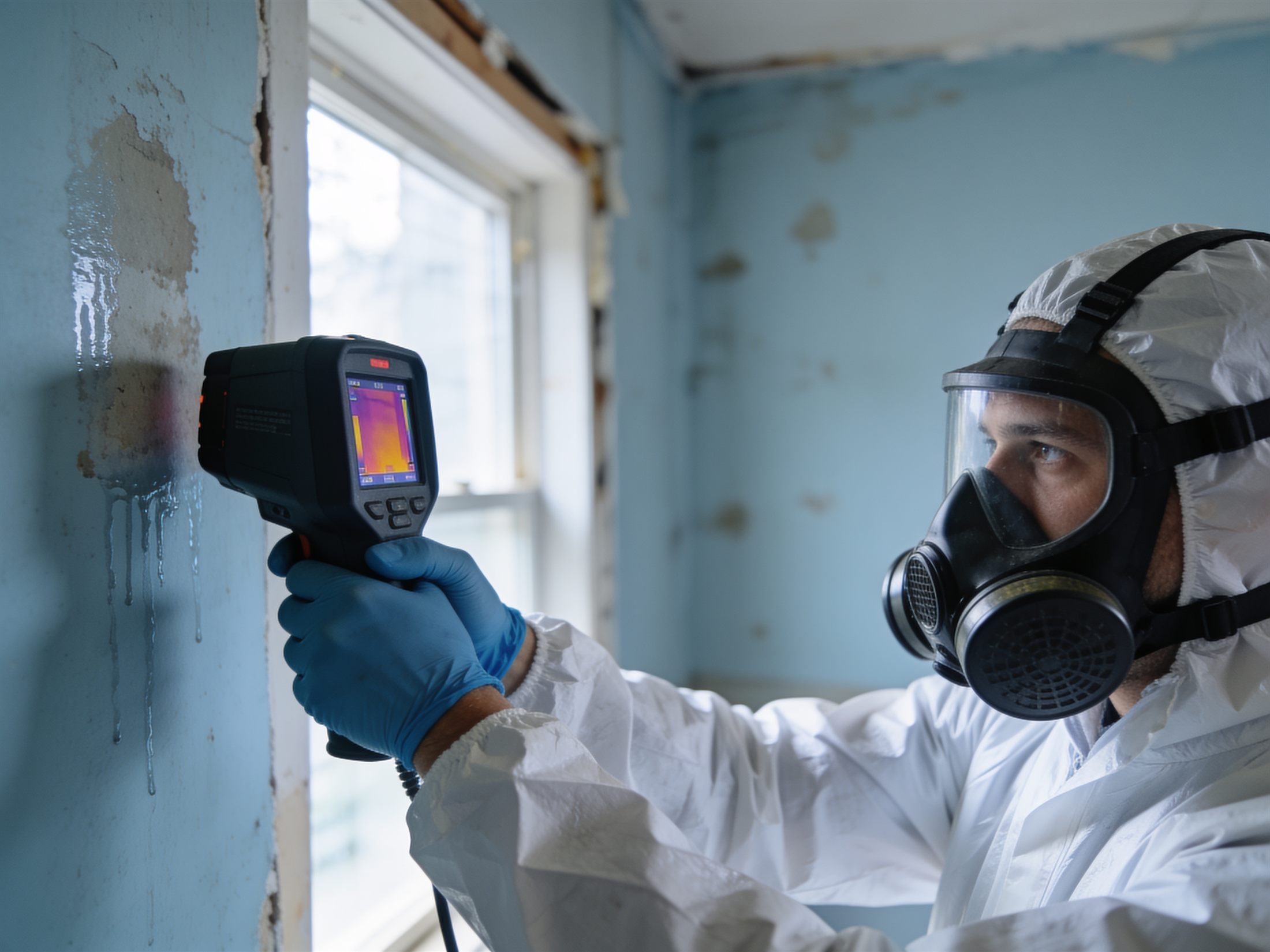
Moisture mapping, thermal imaging, photographs of every affected area. This is the record your claim gets built on, so it happens thoroughly and before anything moves. You get a clear explanation of what we found, including anything behind a wall you couldn't see.
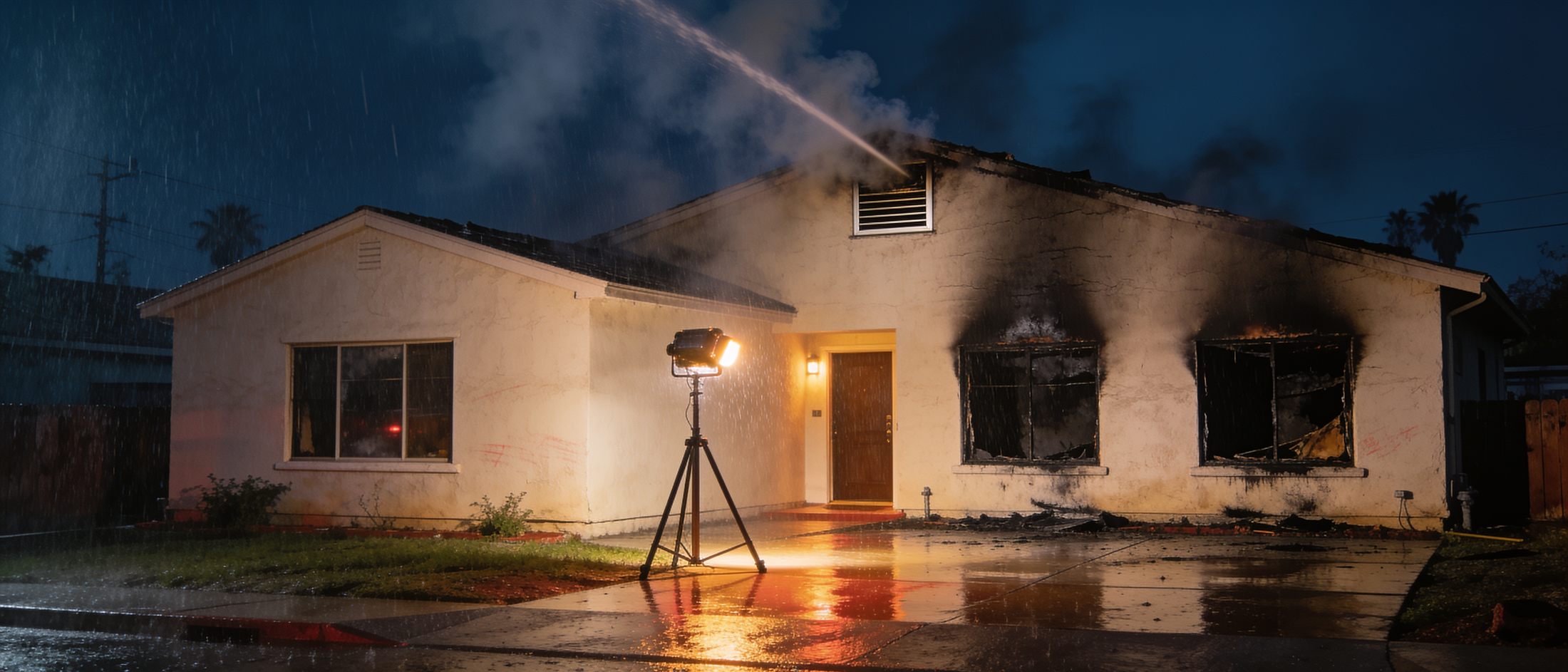
Standing water out, hazards isolated, contents protected or packed out. Where contamination or soot is involved, containment goes up and the area is put under negative air pressure before any work starts.
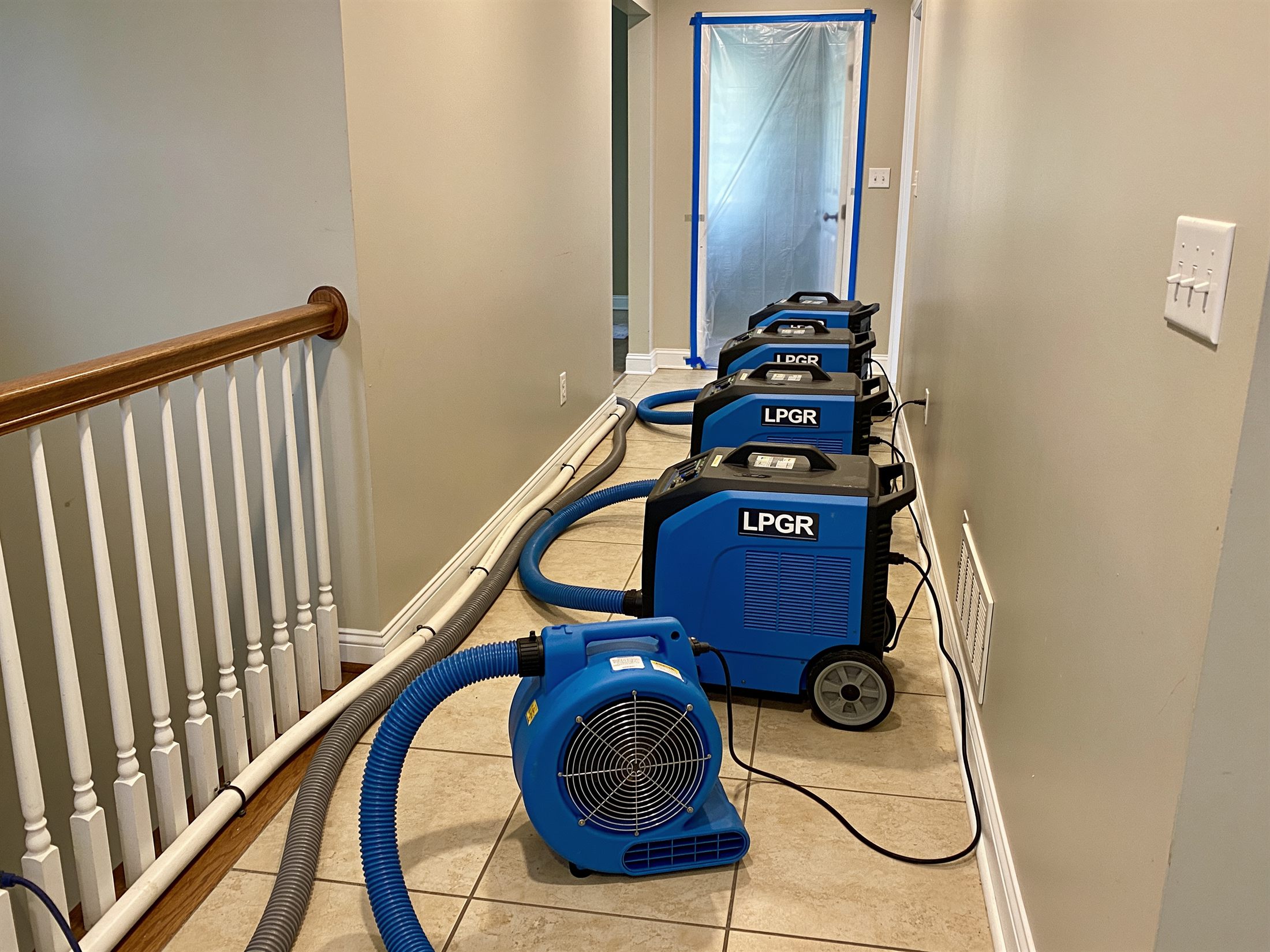
Air movers and dehumidifiers sized to the affected volume, with metered readings taken and logged daily in the same locations. Antimicrobial where it's warranted. The equipment stays until the numbers say the materials are dry, not until a fixed number of days has passed.
Soot and residue removed surface by surface, matched to the residue type. Odor neutralized at the source rather than covered: hydroxyl or ozone treatment breaks down the compounds carrying the smell. If you can still smell it, we're not finished.
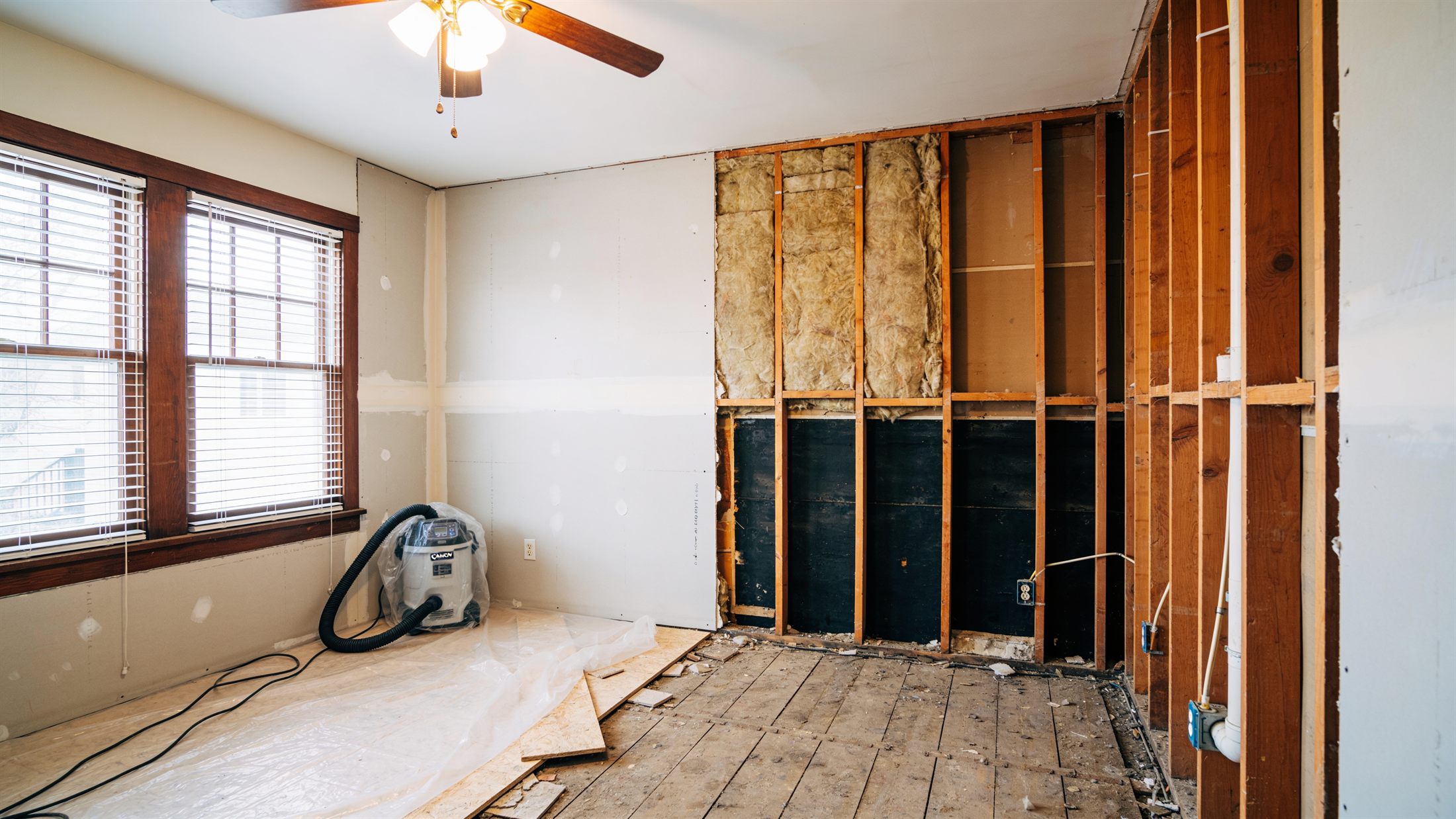
Drywall, paint, flooring and trim, put back the way it was. A final walkthrough with you, and the complete documentation package, photographs, readings and estimates, to your adjuster.
Step 4, in detail
Anyone can point a fan at a wet floor. The difference is measurement: moisture content logged daily in every affected material until it hits the documented dry standard for that material.
That log is what proves the job was completed correctly, and it's exactly what your adjuster wants attached to the claim.
What you can expect
We stay in constant communication with our customers until the job is done. No wondering whether anyone is coming back.
If a material has to come out, you'll be told why before it does, and it'll be photographed first.
Replacement costs more, takes longer and is harder to get approved. Drying in place is always the first option we assess.
Assessments are free. If it's a small job you can handle yourself, we'll say so.
Tell us what happened. We'll tell you what to do next: before we even arrive.